
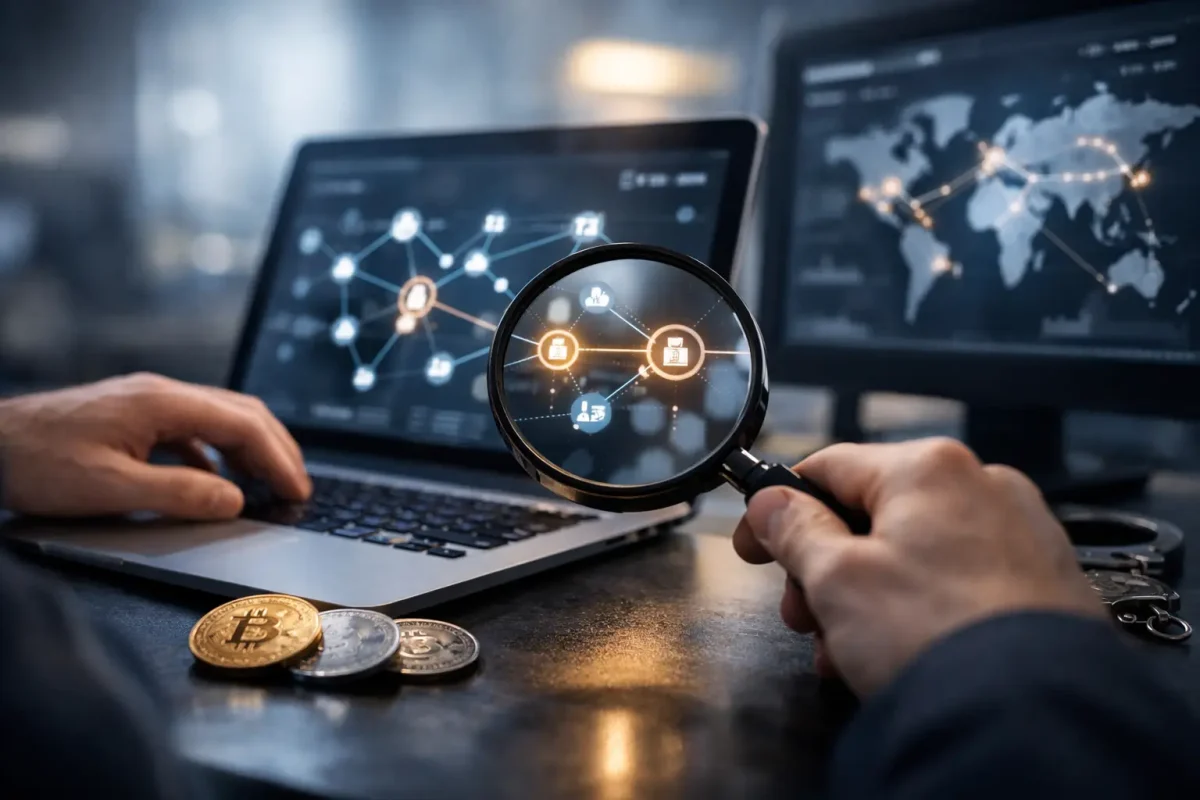
A crypto transfer can feel final the moment it leaves your wallet. While blockchain transactions are typically irreversible, blockchain transaction tracing can turn an unclear loss into a documented investigative path. The goal is not to make unrealistic promises. It is to identify where assets moved, connect transaction activity across wallets, assess potential exchange exposure, and preserve evidence for the next authorized steps.
For an investor, scam victim, or business handling digital assets, speed and accuracy matter. A delayed response can mean more wallet hops, additional swaps, or withdrawal activity that makes the trail harder to interpret. A careful forensic review provides clarity without compromising your privacy, your devices, or the integrity of a possible case.
What Blockchain Transaction Tracing Can Reveal
Public blockchains record transfers in a permanent ledger. That transparency is useful, but a wallet address alone rarely tells the whole story. Fraudsters may split funds across multiple addresses, convert assets through decentralized services, bridge them between networks, or send them toward centralized exchanges.
A professional tracing process analyzes the sequence behind those movements. Investigators review transaction hashes, timestamps, wallet relationships, token transfers, contract interactions, and known attribution data. The result is a clearer picture of how value moved from the original wallet to its current or most recently identifiable destination.
Depending on the blockchain and available evidence, a tracing review may help identify:
- The destination wallet or wallets receiving the assets
- Whether funds were divided, consolidated, swapped, or bridged
- Connections to addresses associated with known services or reported fraud activity
- Potential deposits to cryptocurrency exchanges or other identifiable platforms
- A chronological transaction record that supports reporting and recovery efforts
Tracing does not automatically reveal the real-world identity behind every wallet. Many addresses are pseudonymous, and criminals deliberately use techniques intended to obscure activity. However, identifying a point where funds reach a regulated exchange or a known service can be highly relevant. Those findings may support a report to the platform, law enforcement, legal counsel, or an insurer.
When to Start a Transaction Trace
The strongest time to begin is immediately after you recognize a suspicious transfer. That includes fake investment platforms, romance scams, wallet-draining attacks, impersonation fraud, unauthorized withdrawals, and business payment incidents involving crypto assets.
Do not wait to see whether the person who received the assets will return them. Scam operators often use urgency, emotional pressure, or false recovery claims to keep victims engaged while the funds move. Preserve the details you have and avoid sending additional money to “verify” an account, pay a tax, or release a supposed withdrawal.
For businesses, tracing can also be appropriate when internal monitoring detects an unrecognized wallet transfer, a compromised signing device, suspicious vendor payment instructions, or activity involving an employee’s crypto account. The earlier the organization preserves logs and secures affected systems, the more reliable the investigation can be.
Information That Strengthens an Investigation
The transaction hash is usually the most valuable starting point. It provides a direct record of the transfer on the relevant blockchain. Wallet addresses, screenshots, exchange withdrawal confirmations, email headers, chat messages, platform URLs, and records of conversations can add essential context.
Keep original files whenever possible. Screenshots alone may not show timestamps, URLs, account identifiers, or other metadata needed to understand what occurred. Do not alter evidence, delete communications, or attempt to access another person’s account. A legitimate investigation should remain client-authorized, lawful, and carefully documented.
How the Investigation Process Works
A reliable tracing engagement begins with a confidential case assessment. The investigator reviews what happened, identifies the relevant blockchains and assets, and determines whether the available evidence supports a meaningful analysis. This step also helps separate a genuine transaction trail from misleading claims made by scam websites or fake recovery services.
Next comes transaction mapping. Using blockchain intelligence and forensic analysis, specialists follow transfers through direct wallet movements and more complex activity such as token swaps, chain bridges, and aggregation patterns. The work requires more than copying addresses into a block explorer. Context matters: timing, transaction behavior, service interactions, and patterns shared with other wallets may change what a transfer means.
The analysis is then organized into transparent reporting. A useful report explains the source transaction, movement path, relevant wallet addresses, amounts, timestamps, and any identifiable service exposure. It should distinguish confirmed facts from investigative indicators. That distinction protects clients from overstatement and makes the findings more credible when shared with appropriate parties.
When a trace identifies likely exchange exposure, the next step may involve preparing evidence for the exchange’s compliance, fraud, or security team. Requirements vary by platform and jurisdiction. Some situations also call for a report to law enforcement, a financial crime unit, an attorney, or a cyber insurance provider. No investigation can guarantee that an exchange can freeze funds or that assets will be returned, but prompt, well-organized documentation gives your report a stronger foundation.
Why DIY Tracing Has Limits
Anyone can view a public blockchain, but interpreting it correctly can be difficult. A wallet may receive hundreds of transactions. A token transfer may be linked to a smart contract, a bridge, or a decentralized exchange rather than a simple payment. Address labels found online can also be inaccurate, outdated, or intentionally deceptive.
There is also a security concern. Victims of crypto fraud are frequently targeted again by people offering guaranteed recovery, insider access to exchanges, or “private keys” that supposedly unlock stolen assets. These claims are common warning signs. No ethical specialist should ask for your seed phrase, request access to your wallet without a clear purpose, or demand additional crypto payments to release recovered funds.
Professional support provides disciplined analysis and a safer process. At Skyline Tech Support, authorized specialists combine blockchain forensic intelligence with cybersecurity practices to assess transaction trails, preserve evidence, and help clients understand realistic response options. The work is conducted with confidentiality, transparent reporting, and respect for legal and technical boundaries.
Protect Your Accounts While the Trace Is Underway
Tracing the transaction is only one part of the response. If a wallet, exchange account, phone, email inbox, or computer may be compromised, secure it immediately. Change passwords from a known-safe device, enable strong multi-factor authentication, review account sessions, and contact the affected exchange through its official support channel.
If you suspect a wallet-draining incident, move any remaining assets only after confirming that your device and wallet environment are safe. Moving funds from a compromised device without resolving the underlying issue can expose the new wallet as well. A security assessment can help determine whether malicious browser extensions, phishing pages, remote-access tools, malware, or leaked credentials played a role.
Businesses should preserve relevant access logs, wallet approval records, device data, and communications before making broad system changes. Containment is necessary, but so is preserving evidence that may explain how an incident occurred and prevent a repeat.
Questions Clients Commonly Ask
Can stolen cryptocurrency be recovered?
Sometimes, but it depends on where the assets moved, how quickly the matter is reported, the services involved, and the available evidence. Blockchain tracing establishes facts and possible intervention points. It cannot reverse a completed blockchain transfer by itself.
Can you trace transactions across different blockchains?
Often, yes. Cross-chain tracing may be possible when funds are bridged or swapped between supported networks. The complexity varies by asset, bridge, privacy features, and the quality of available attribution data.
Is blockchain tracing legal?
Reviewing publicly recorded blockchain activity is generally lawful. Any further action must remain properly authorized and comply with applicable laws, exchange procedures, and privacy requirements. Ethical investigators do not hack wallets, impersonate users, or access accounts without permission.
What should I avoid after a crypto scam?
Avoid sending more funds, sharing recovery phrases, installing unknown software, or trusting unsolicited recovery agents. Save all records, secure your accounts, and seek a confidential professional assessment before taking actions that could worsen the loss.
If you are facing a suspicious crypto transfer, the most useful next move is a calm, evidence-focused response. Gather the transaction details, protect the accounts around the incident, and speak with a qualified specialist who can explain what the blockchain record shows and what actions are realistically available.
