
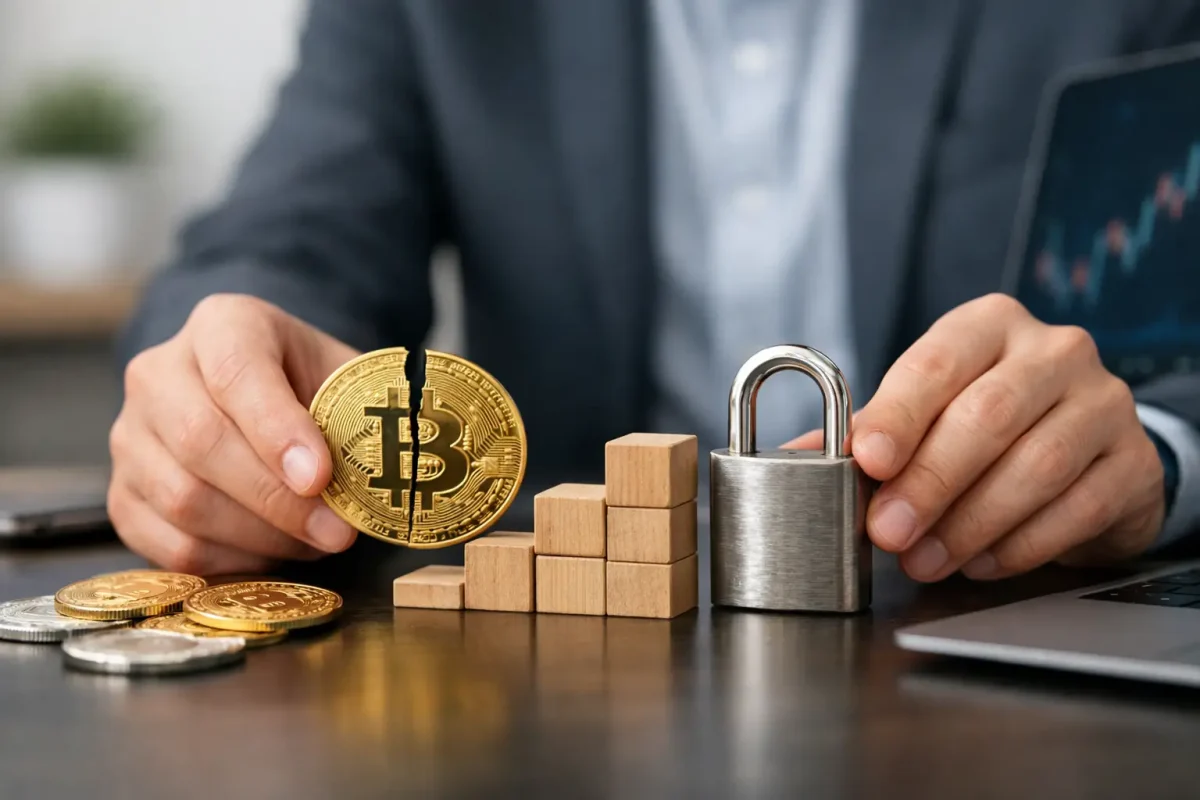
A crypto transfer can feel final the moment it leaves your wallet. That is why cryptocurrency scam recovery is not about making unrealistic promises or waiting for a stranger to “reverse” a transaction. It is about preserving evidence, securing every connected account, identifying where assets moved, and taking informed action before more damage occurs.
Victims are often pressured into silence, confusion, or a second payment. A structured response replaces panic with a clear record of what happened and a defensible recovery strategy. In many cases, speed matters. In every case, confidentiality, authorization, and realistic expectations matter just as much.
First, understand what recovery can and cannot do
Most blockchain transactions cannot simply be canceled after confirmation. Public blockchains are designed to be irreversible, which is a security benefit when you control your private keys but a painful limitation after fraud. Anyone who guarantees a refund, claims they can “hack” a wallet without authorization, or asks for an upfront crypto payment to release your funds should be treated with extreme caution.
That does not mean an investigation is pointless. Blockchain activity leaves a transaction trail. A qualified investigator can analyze wallet connections, follow asset movement across addresses, identify interactions with exchanges or known services, and organize evidence for exchanges, law enforcement, attorneys, or insurers. The possible outcome depends on the scam type, how quickly funds move, whether an identifiable service received them, and the quality of the available evidence.
Recovery is most viable when the work begins before evidence disappears, accounts are further compromised, or assets are converted through multiple services. Even when funds cannot be retrieved, an investigation can help contain the incident, protect remaining assets, and document a loss accurately.
The first 24 hours after a crypto scam
Do not send another dollar to the scammer. This includes “taxes,” “verification fees,” “liquidity deposits,” or supposed recovery charges. Fraud operations often extend the scheme by insisting that one final payment will release an account balance that was never real.
Then secure the accounts and devices that may have been exposed. Change passwords from a trusted device, enable multifactor authentication, review active sessions, and remove unfamiliar wallet connections or application permissions. If you entered a seed phrase, private key, exchange credentials, or one-time code into an untrusted site, assume that information has been compromised.
If assets remain in a wallet whose recovery phrase may be exposed, move them to a newly created wallet only after carefully confirming that your device is clean and that you control the destination address. Rushing through this step can create additional loss. When there is uncertainty about malware, browser extensions, remote-access software, or account takeover, a secure technical assessment is the safer approach.
Preserve the facts before deleting anything. Save screenshots of conversations, websites, wallet addresses, transaction IDs, payment requests, social media profiles, emails, and exchange notices. Record dates, times, amounts, asset types, and the names or usernames used by the other party. Keep original files where possible, since metadata and timestamps may support an investigation.
Evidence is the foundation of cryptocurrency scam recovery
A blockchain transaction ID can show where assets were sent, but it rarely tells the whole story. The strongest case file combines on-chain data with off-chain evidence. This can establish how contact began, what representations were made, what accounts were used, and whether the scam involved impersonation, a fake platform, a malicious wallet approval, romance fraud, or an investment scheme.
Useful evidence typically includes the following:
- Transaction hashes, wallet addresses, network names, and token details
- Screenshots and exports of chats, emails, texts, call logs, and social profiles
- Exchange deposit and withdrawal records, account notices, and support tickets
- Website URLs, app names, domain details, and images of fake dashboards
- A written timeline showing each payment, instruction, and communication
Do not alter messages or crop out dates and account names when documenting the incident. A complete record is more useful than a polished one. It also makes it easier for a specialist to identify gaps, duplicate transactions, and potentially relevant wallet relationships.
How blockchain tracing supports an investigation
Blockchain tracing analyzes the movement of assets after they leave your address. Investigators review transaction paths, associated wallet activity, swap activity, bridge transfers, and deposits into services that may have identity verification procedures. The goal is not to guess. It is to build a documented, explainable picture of the transaction flow.
This work has limits. Sophisticated fraud networks may split funds across many addresses, convert assets quickly, use cross-chain bridges, or route transactions through services designed to obscure activity. A trace may not reveal a person’s name, and a wallet address alone is not proof of ownership. Responsible reporting distinguishes verified facts from informed indicators.
However, tracing can still be valuable when funds reach a centralized exchange, payment service, or other regulated platform. Those organizations may have internal compliance processes, account records, and preservation procedures. Timely, well-organized reporting gives them a clearer basis to review the activity. They may not be able to freeze or return assets, but an evidence-led request is far more effective than a vague complaint.
Report the fraud through the right channels
Report the incident to any exchange, wallet provider, bank, card issuer, or payment platform involved. Provide transaction references and a concise factual timeline. Avoid sending sensitive credentials, seed phrases, or identity documents to unverified support contacts. Use official channels you independently locate, not phone numbers or links supplied by the scammer.
For US victims, reports to the appropriate law enforcement and consumer fraud authorities can create an official record and help identify broader patterns. If the incident includes identity theft, account compromise, threats, extortion, or a business email compromise, report those facts clearly. Businesses should also preserve relevant logs, notify internal security personnel, and assess whether customer or employee data may be affected.
A report does not guarantee recovery, but it can support an exchange escalation, insurance claim, legal consultation, tax documentation, or future investigative action. Keep copies of everything submitted and note the case or ticket numbers.
Watch for recovery scams after the first loss
Crypto fraud victims are frequently targeted again. Recovery scammers may claim they found your funds, present fabricated tracing reports, impersonate government agencies, or say they need a deposit to access a frozen wallet. Some use stolen logos, fake testimonials, and convincing social media profiles.
A legitimate recovery professional will explain the scope of work, limitations, evidence requirements, fee structure, and authorization process before taking action. They will not ask for your seed phrase or private key. They will not demand a payment to a personal wallet as a condition of releasing funds. They will not promise a specific result before reviewing the facts.
Be especially cautious if someone contacts you unexpectedly after you post about your loss online. Public comments can expose victims to organized follow-up fraud. Limit what you share publicly, and keep transaction details within trusted reporting and investigative channels.
When professional support is appropriate
Professional assistance can be particularly useful when the loss involves substantial value, multiple wallets, a compromised device, a fake investment platform, romance scam coercion, exchange withdrawal issues, or a complicated cross-chain transaction history. It is also appropriate when you need a clear technical record but do not know where to begin.
Skyline Tech Support approaches these cases through a confidential, client-authorized process. Specialists can assess the incident, preserve and analyze relevant technical evidence, trace blockchain activity, identify account-security risks, and provide transparent reporting on findings and next steps. The work is designed to be non-destructive and focused on what can be supported by evidence.
The right next step may be tracing, device remediation, account recovery, exchange escalation support, or simply securing what remains. It depends on the facts. A responsible assessment should tell you which path is justified and which actions are unlikely to help.
A crypto scam can leave you feeling exposed, but you do not need to make your next decision under pressure. Protect your accounts, preserve the evidence, and seek qualified help that treats your privacy and your case with the seriousness they deserve.
